
Sunfield Home – Wellington
Sunfield Home Wellington is situated in Wellington and is a protective workshop and residential centre for intellectually disabled adults who are unable to function without guidance and protection.
This diminished intellectual ability can be:
- congenital,
- genetic,
- caused by injury at birth,
- motor vehicle accident,
- sickness, or
- environmental deficiencies.
Examples include Down Syndrome, Foetal Alcohol Syndrome and oxygen deprivation at birth.
We are a registered non-profit company. Our income consists of monthly fees paid by parents and a government subsidy. The annual deficit is covered via contract work, countless fundraising campaigns and sympathetic and caring donors. Benefactors are our lifeblood. Your ongoing generosity and commitment is crucial to Sunfield Home’s future. Please visit our Donate page to see how you can contribute or become involved.
UPCOMING EVENTS
Latest News
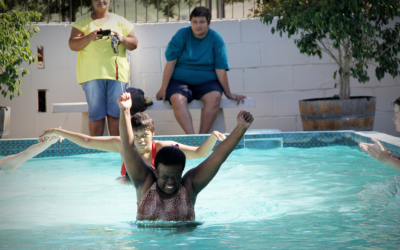
Why Movement Matters: The Role of Sport and Physical Activity in Resident Wellbeing
Movement is one of the simplest ways to support wellbeing — but at Sunfield Home, we know it is about far more than exercise.
For our residents, movement creates opportunities for joy, confidence, routine, connection, and personal growth. Whether it happens in the swimming pool, during a walk, through dancing, stretching, gym activities, sport, or everyday movement, physical activity plays an important role in helping residents feel healthier, happier, and more involved in daily life.
Movement is not only about fitness. It is about dignity, participation, and quality of life.

Understanding Intellectual Disability: Breaking Myths and Building Compassion
April is a time of awareness — a reminder that understanding leads to acceptance, and acceptance leads to inclusion. At Sunfield Home, we believe that one of the most powerful ways to support individuals with intellectual disabilities is through education, empathy,...

Love, Friendship and Emotional Safety for Adults with Intellectual Disabilities
Emotional safety is not secondary to physical care.
For adults with intellectual disabilities, these human needs are just as essential as food, shelter, and medical support. Yet too often, conversations about care focus only on supervision, safety, and daily routines — overlooking the deeper emotional landscape that shapes wellbeing.