
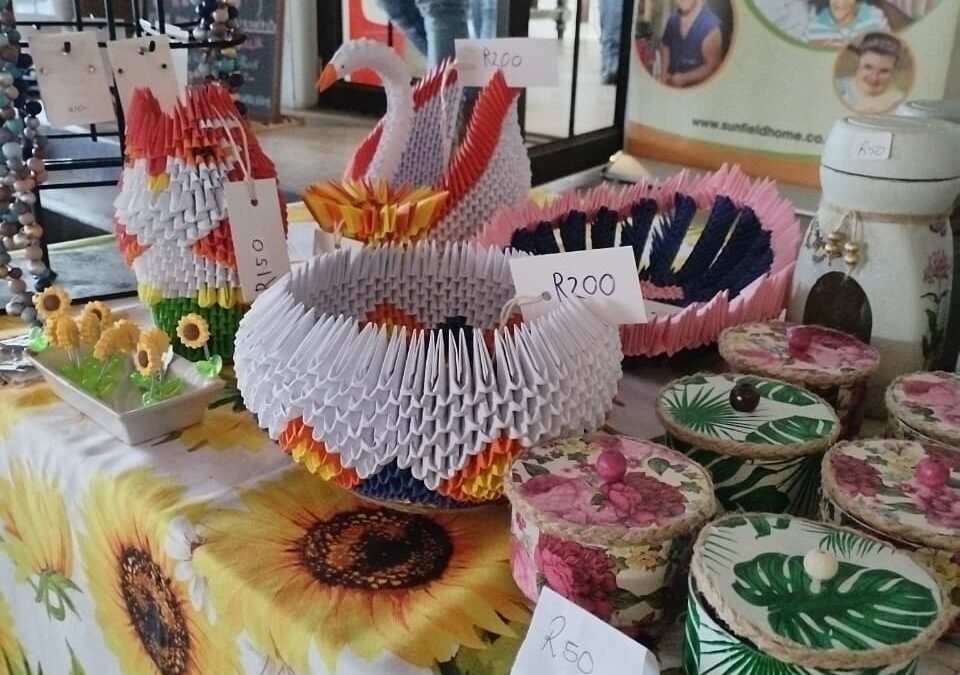
For everybody there exists a unique tension between limitless imagination and the constraints of the real world. Creativity is often described as a compulsion that drives people to imagine, innovate, and express themselves beyond their perceived boundaries. For many, it provides a sense of identity and purpose. Yet, when creativity exists alongside an intellectual disability, the inner journey becomes more complex, layered with challenges that are emotional, social, and deeply personal.
Creativity beyond cognitive boundaries
- An intellectual disability may affect learning, reasoning, and problem-solving, but in no way does it diminish capacity for imagination. In fact, many individuals with cognitive challenges possess heightened creative instincts, often expressed through art, music, writing, storytelling, or unconventional problem-solving. In some cases, creativity becomes a form of self-liberation.
- While certain academic or analytical tasks may feel overwhelming, the creative mind opens doors to personal freedom. While an ID individual might struggle to follow multi-step instructions, he or she may be capable of painting vivid landscapes filled with intricate detail. Creativity is a human condition that offers an alternative language – a way to make sense of the world and to be understood by others.
The weight of self-awareness
- For many creative individuals with intellectual disabilities, self-awareness sits at the heart of an emotional struggle. They often sense that their minds process the world differently from those around them. On one hand, this awareness can be empowering – fuelling unique perspectives and unconventional ideas. On the other, it can create frustration, sadness, and self-doubt, especially when comparing themselves to peers who navigate academic, professional, or social situations more easily.
- The internal conflict this engenders is recurring and depressing. The ensuing tension can lead to periods of withdrawal, anxiety, or low self-esteem, particularly when creativity is undervalued or misunderstood by family, teachers, or society.
Navigating emotional intensity
- Creativity often goes hand in hand with heightened emotional sensitivity. For an intellectually disabled individual, this emotional depth can be both a gift and a burden. The gift lies in the ability to channel feelings into art, music, writing, or innovation. Many create works that are raw, authentic, and deeply moving because they express pure emotion unfiltered by logic.
- The burden emerges when emotions become overwhelming and there are limited coping mechanisms to process them. Frustration may manifest as anger, withdrawal, or self-doubt, particularly if the individual lacks adequate emotional support. When creative visions cannot be fully realised – due to technical limitations, communication barriers, or external criticism – the resulting inner turmoil can be profound.
The struggle for expression and recognition
- For many creative individuals with intellectual disabilities, expression is both the ultimate joy and the greatest challenge. Their ideas may be rich and imaginative, yet they often lack the tools or vocabulary to communicate them effectively. A child with an intellectual disability might envision a complex sculpture but struggle to explain it to a teacher.
- When others fail to see their creative depth, these individuals can feel invisible, undervalued, or dismissed. Recognition – whether from family, educators, or peers – becomes crucial to validating their creative identity.
Facing social isolation and misunderstanding
- Society often underestimates individuals with intellectual disabilities, sometimes unintentionally confining them to narrow roles and limited expectations. When paired with creative aspirations, this disconnect can be particularly painful. Peers may not understand their ideas, and teachers or employers might overlook their potential, focusing instead on what they cannot do rather than what they can.
- As a result, many creative individuals find themselves isolated, caught between two worlds – a vibrant inner landscape full of imagination and possibility, and an external reality that struggles to accommodate or appreciate their vision. This struggle can deeply affect confidence, self-worth, and mental health.
The role of support and empowerment
The purpose of family, friends, carers and involved professionals should be to support this creative journey of an ID individual. With the right support structures, creativity can become a source of empowerment and fulfilment.
- When family, educators, or caregivers recognise and celebrate creative strengths, individuals feel seen and valued. This validation nurtures confidence and motivates them to continue exploring their passions.
- Providing accessible tools – such as adaptive art supplies, voice-to-text software, or guided workshops – allows individuals to bridge the gap between their imagination and expression.
- Being part of inclusive creative spaces, where diversity is embraced and differences celebrated, offers opportunities for connection and collaboration. These environments help counter feelings of isolation and foster belonging.
Resilience, identity, and purpose
The inner journey of a creative, intellectually disabled person is not simply one of limitation – it is also a story of resilience. Creativity often becomes an anchor, giving life meaning and shaping personal identity. Through their art, music, or ideas, many find a sense of purpose that transcends the drawbacks of cognitive barriers. Their achievements remind us that intelligence is multi-dimensional; value cannot be measured by traditional academic or intellectual standards alone; and some of the most profound ideas come from those who see life differently.
The story of Sunfield Home
Twenty years ago, Chris and Lynne Bennett, parents of a young girl with Down Syndrome, pursued their dream of establishing a home for their daughter and other intellectually disabled young adults in the Western Cape. Together with other parents, they founded the Sunfield Home in Wellington, providing a loving and nurturing environment for over 100 residents and day-care adult individuals.
Each individual is screened to evaluate their strengths and allocate activities according to their abilities. A protective workshop has been established where contract work is undertaken, as well as arts and crafts activities. An employment scheme has also been developed and as a result permanent and successful positions have been found within the surrounding wine and cheese industries.
Find out more about us at: www.sunfieldhome.co.za
###


