

Why Movement Matters: The Role of Sport and Physical Activity in Resident Wellbeing
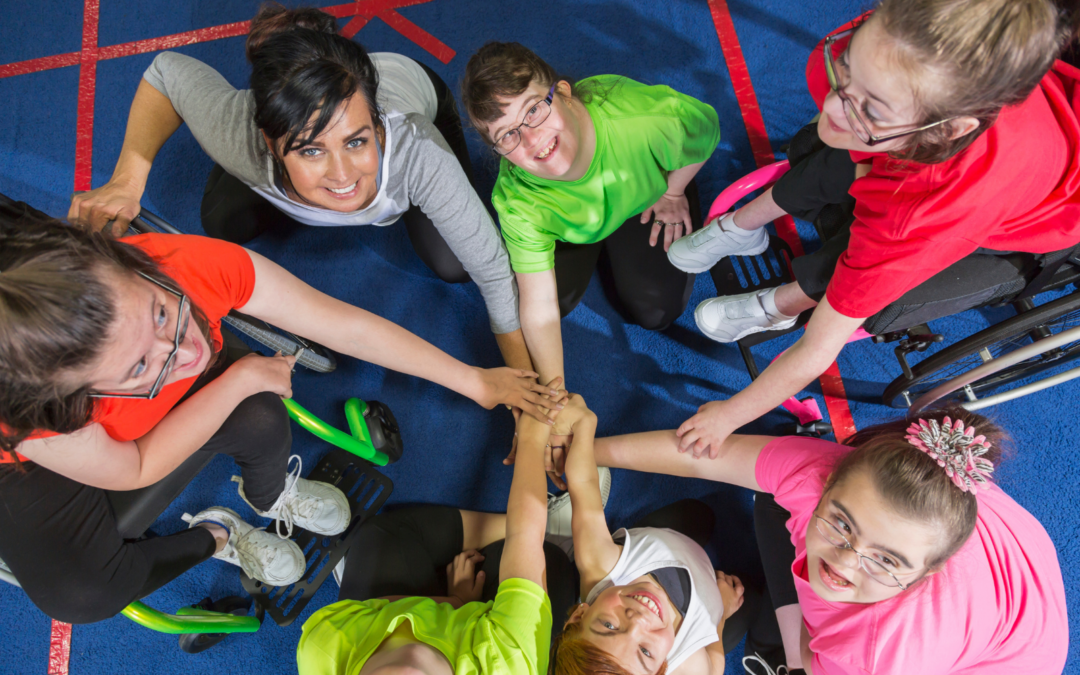
Movement is one of the simplest ways to support wellbeing — but at Sunfield Home, we know it is about far more than exercise.
For our residents, movement creates opportunities for joy, confidence, routine, connection, and personal growth. Whether it happens in the swimming pool, during a walk, through dancing, stretching, gym activities, sport, or everyday movement, physical activity plays an important role in helping residents feel healthier, happier, and more involved in daily life.
Movement is not only about fitness. It is about dignity, participation, and quality of life.

Understanding Intellectual Disability: Breaking Myths and Building Compassion
April is a time of awareness — a reminder that understanding leads to acceptance, and acceptance leads to inclusion. At Sunfield Home, we believe that one of the most powerful ways to support individuals with intellectual disabilities is through education, empathy,...

Love, Friendship and Emotional Safety for Adults with Intellectual Disabilities
Emotional safety is not secondary to physical care.
For adults with intellectual disabilities, these human needs are just as essential as food, shelter, and medical support. Yet too often, conversations about care focus only on supervision, safety, and daily routines — overlooking the deeper emotional landscape that shapes wellbeing.

What Is an Intellectual Disability? A Clear, Compassionate Guide for Families and Communities
When people hear the term intellectual disability, they often feel unsure — unsure of what it really means, unsure of the language to use, and unsure of how to respond with sensitivity and respect. For families, it can also come with fear, grief, questions about the future, and a deep desire to understand how best to support a loved one.
At Sunfield Home, we believe that understanding leads to compassion — and compassion creates inclusion. This guide aims to explain intellectual disability in a clear, respectful way, while honouring the dignity, individuality, and humanity of every person.
The value of combined caring of family, educators and carers for intellectually disabled people
Family: the foundation of support and understanding For individuals with intellectual disabilities, family is often the first and most enduring source of support. Families provide the emotional stability, love, and patience that form the basis for healthy development....

How to become a carer of intellectually disabled people
Caring for individuals with intellectual disabilities is one of the most meaningful and rewarding professions in the social and healthcare sectors. It is also one of the most demanding. It requires patience, empathy, skill, and a deep understanding of human...

The inner journey of a creative yet intellectually disabled person
For everybody there exists a unique tension between limitless imagination and the constraints of the real world. Creativity is often described as a compulsion that drives people to imagine, innovate, and express themselves beyond their perceived boundaries. For many,...

A Driving Force: teaching the intellectually disabled to drive
Teaching intellectually disabled individuals to safely drive a motor vehicle involves careful planning, patience, and personalised instruction. Not all intellectually disabled individuals will be able to drive independently, but many can – especially those with only...

Meet Pam: The Heart Behind the Crafts at Sunfield Home
In the corridors of Sunfield Home, where the gentle hum of creativity mingles with the laughter of newfound joy, Pam weaves a tapestry of love and dedication. She is not one to seek the spotlight; instead, her heart beats in rhythm with the residents she serves, each...

The Shopping Trolley: training an Intellectually Disabled individual to shop with confidence
For individuals with intellectual disabilities, developing the skills needed to shop independently is a powerful step toward inclusion in everyday life. Shopping involves more than simply exchanging money for goods; it requires an understanding of personal needs,...


